Introduction
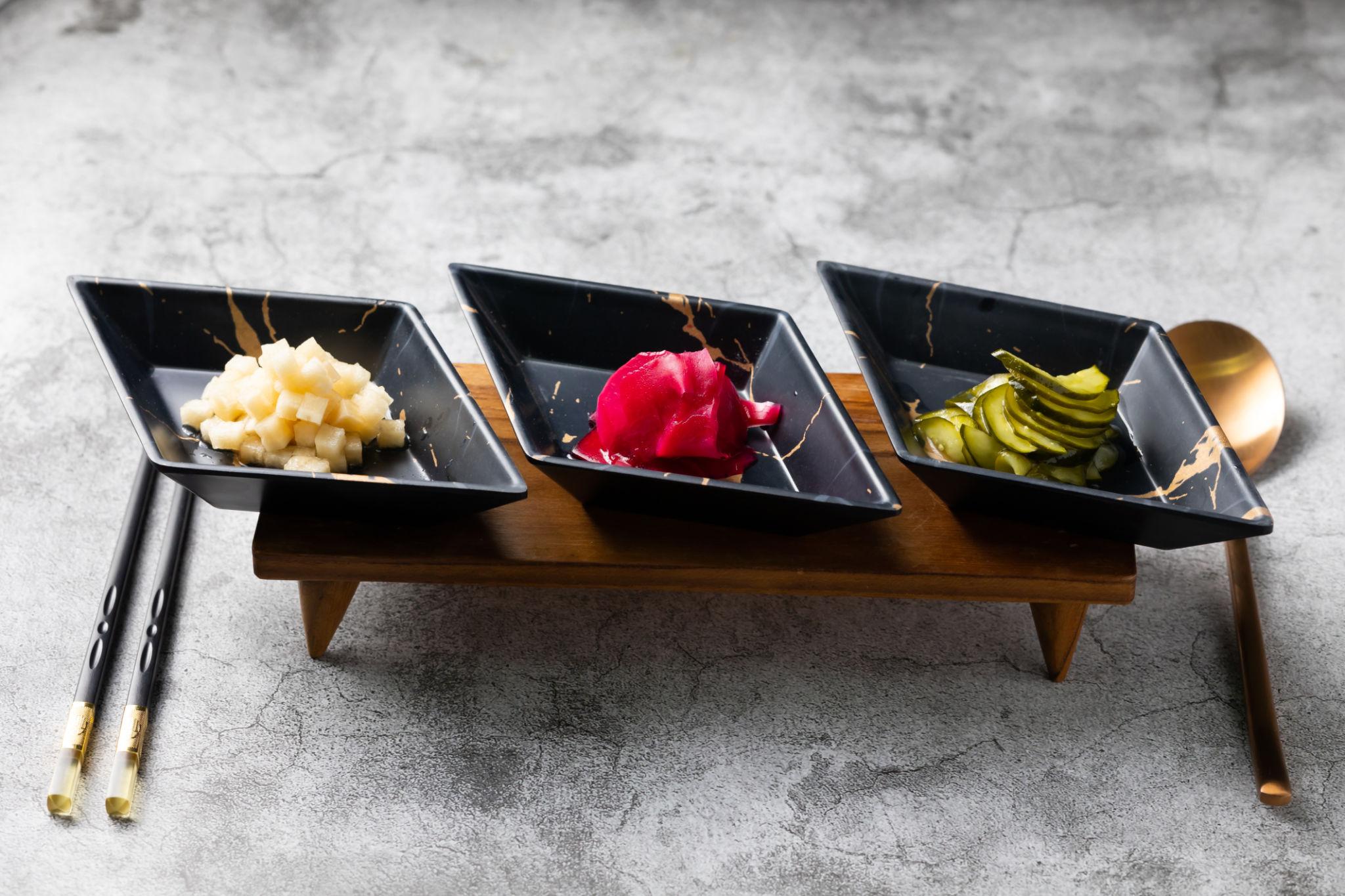
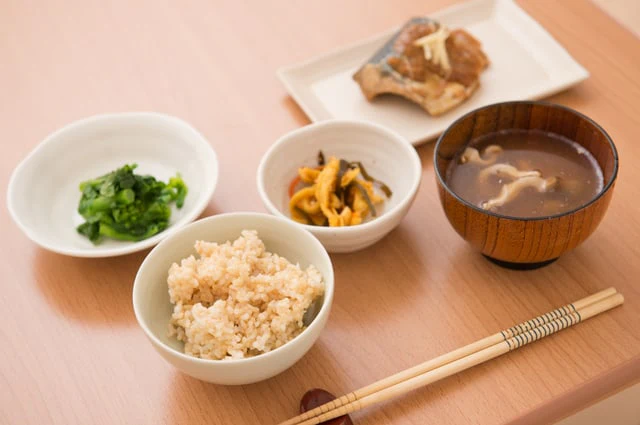
In Japanese meals, there is often a small dish placed next to rice and soup. This dish is called tsukemono, or Japanese pickles.
Tsukemono may look simple, but it plays an important role in everyday digestion. Eaten in small amounts, these pickles help support gut health and balance the overall meal.
What Is Tsukemono?
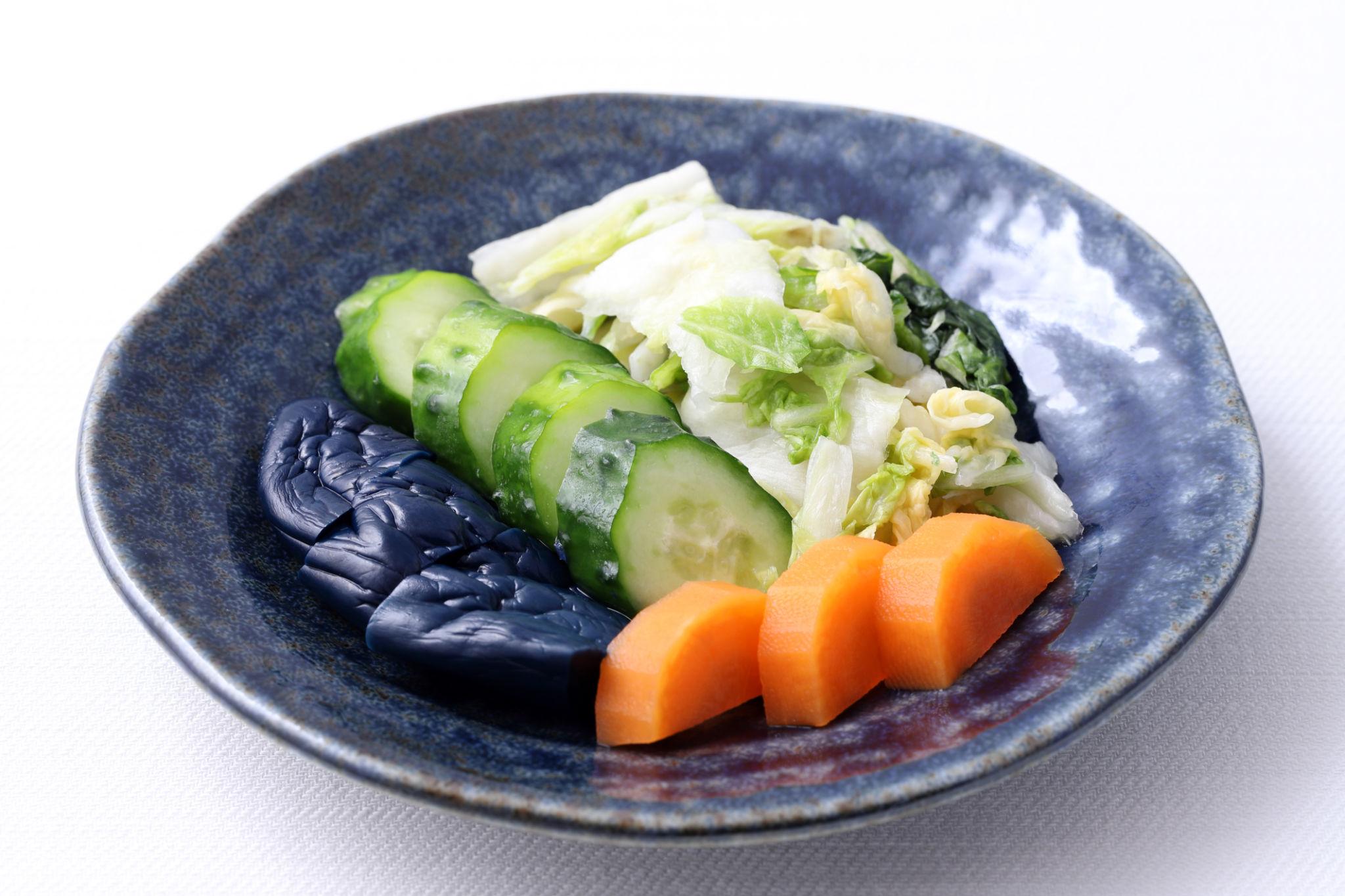
Tsukemono refers to vegetables that have been preserved by pickling. Common vegetables include cucumber, daikon radish, eggplant, and cabbage.
Depending on the method, tsukemono can be lightly pickled with salt or fermented over time. The goal is not strong sourness, but gentle flavor and easy digestion.
In Japan, tsukemono is considered a normal part of daily meals rather than a special food.
Why Tsukemono Supports Gut Health
- Helps vegetables become easier to digest
- Adds beneficial bacteria when naturally fermented
- Stimulates digestion through taste and texture
- Encourages balanced eating by supporting simple meals
Because tsukemono is eaten in small portions, it does not overwhelm the digestive system. Instead, it quietly supports digestion as part of the meal.

Free Guide:
5 Japanese Foods for a Healthier Gut
A simple, illustrated starter guide to miso, natto, and more — download free.
How Japanese People Traditionally Eat Tsukemono
In Japan, koji rice is rarely eaten directly. Instead, it is used to create fermented foods that are part of In Japan, tsukemono is usually served as a small side dish.
It is commonly eaten:
- With rice and miso soup
- As part of ichiju-sansai (one soup, three dishes)
- In very small portions
- At breakfast, lunch, and dinner
Tsukemono is not meant to be the main dish. Its role is to refresh the mouth, support digestion, and balance the meal.
How to Prepare or Use Koji Rice at Home
Today, tsukemono can be made at home in very simple ways. Many Japanese households prepare quick pickles that are ready within a few hours or a day.
Ingredients
- Fresh vegetables (cucumber, daikon, cabbage, or eggplant)
- Salt
- A clean container
Steps
- Wash and cut the vegetables into bite-sized pieces.
- Lightly sprinkle salt over the vegetables.
- Gently massage the salt into the vegetables to release moisture.
- Place the vegetables into a clean container and press lightly.
- Let them rest for several hours or overnight.
- Once lightly pickled, store in the refrigerator and eat in small portions.
Conclusion
Tsukemono is not meant to transform digestion overnight. Its strength lies in how quietly it supports daily meals.
By adding a small amount of pickled vegetables to each meal, tsukemono helps create balance and supports digestion without effort. This simple habit reflects the Japanese approach to gut health—steady, gentle, and sustainable.
Rather than focusing on strong flavors or quick results, tsukemono shows how small daily practices can support gut health over time.
Free Guide:
5 Japanese Foods for a Healthier Gut
A simple, illustrated starter guide to miso, natto, and more — download free.