Japanese Koji Pantry Shopping List for Beginners
A beginner-friendly shopping list for koji, miso, shio koji, amazake, natto, and everyday Japanese fermented foods.
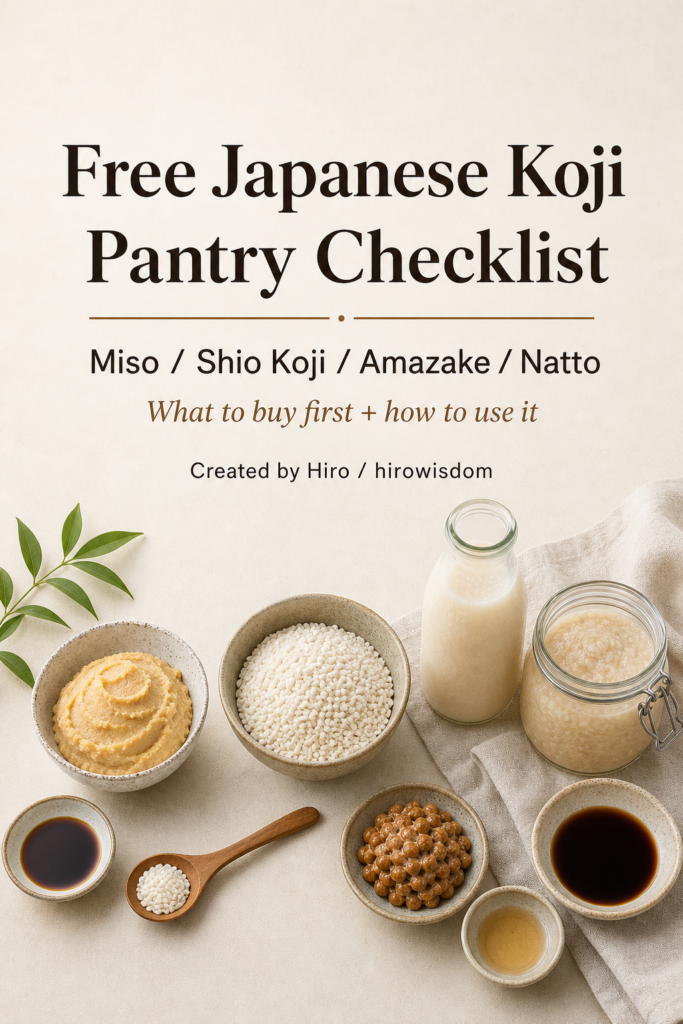
A beginner-friendly shopping list for koji, miso, shio koji, amazake, natto, and everyday Japanese fermented foods.
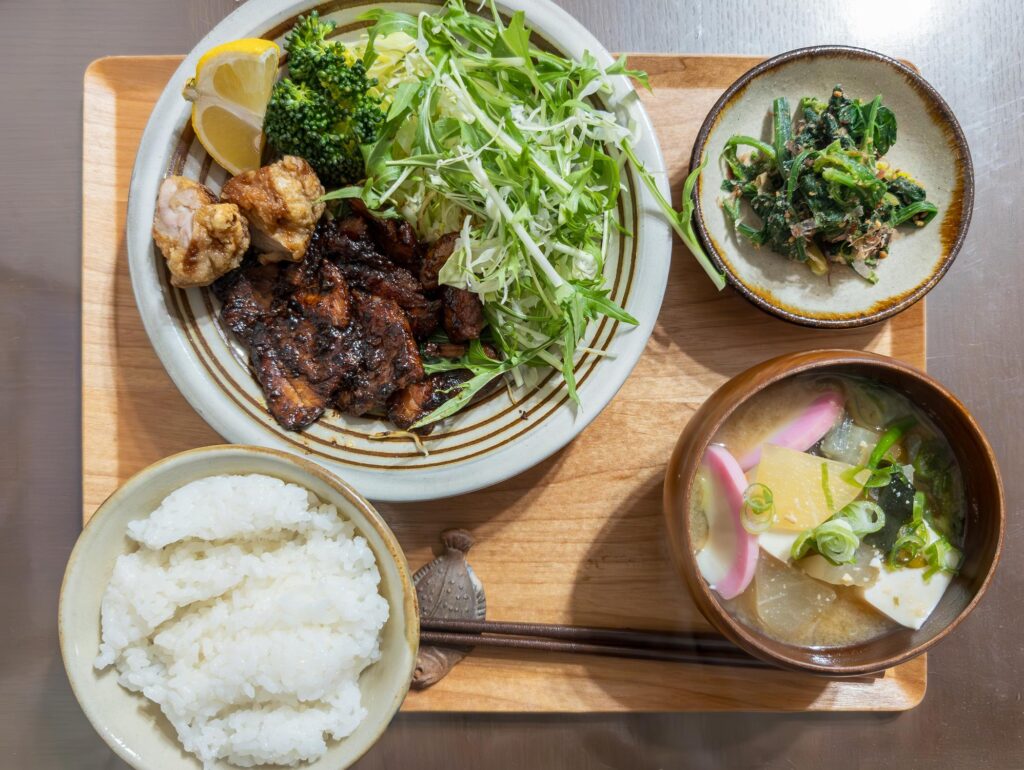
Introduction Japanese meals are not built around one main dish. Instead, they follow a simple structure designed to support balance and digestion. This structure is called ichiju-sansai. Ichiju-sansai means “one soup and three dishes.” Rather than focusing on calories or nutrients, it focuses on variety, moderation, and ease of digestion. This approach has supported daily
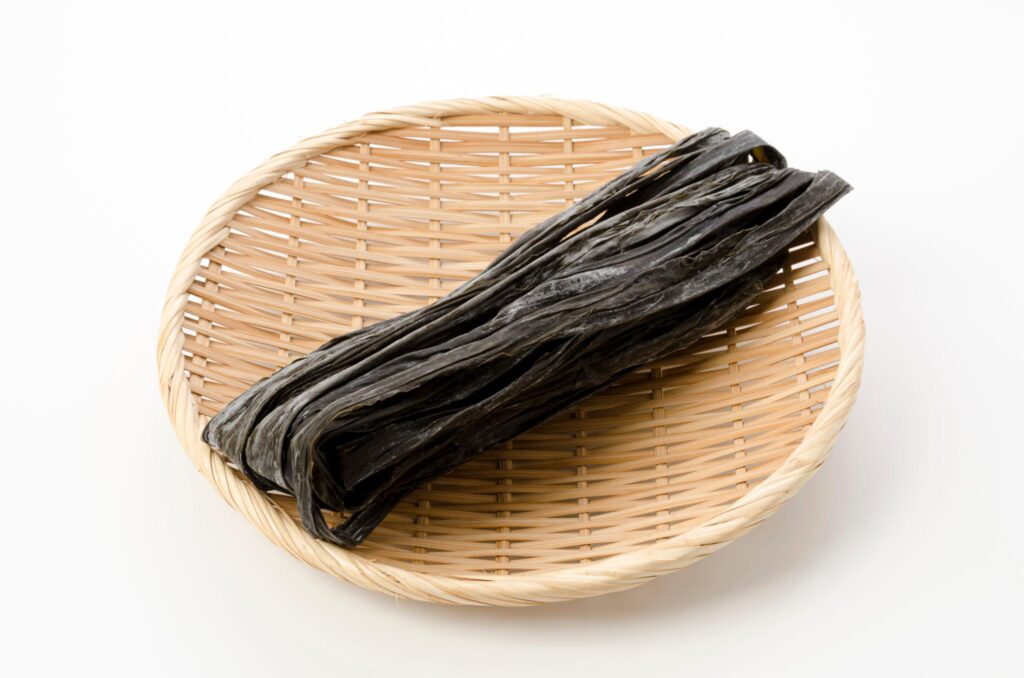
Introduction In Japanese cooking, many meals begin with a quiet foundation rather than strong flavors. One of the most important ingredients in this foundation is kombu, a type of dried sea vegetable. Kombu is not eaten in large amounts. Instead, it is used to create broth and gentle flavors that support digestion and balance meals.
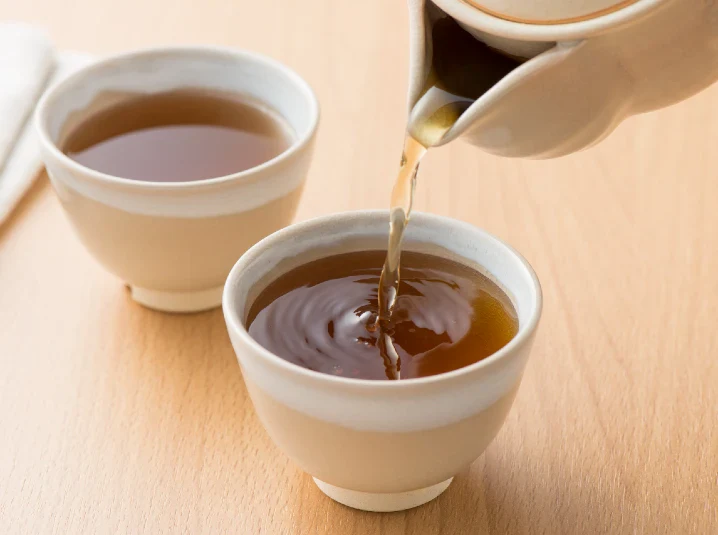
Introduction In Japan, tea is part of daily life, but not all tea is the same. Among them, hojicha is known for its mild flavor and calming nature. Hojicha is often chosen after meals or in the evening. Its gentle taste and low caffeine make it a comfortable drink that supports digestion without stimulation. What
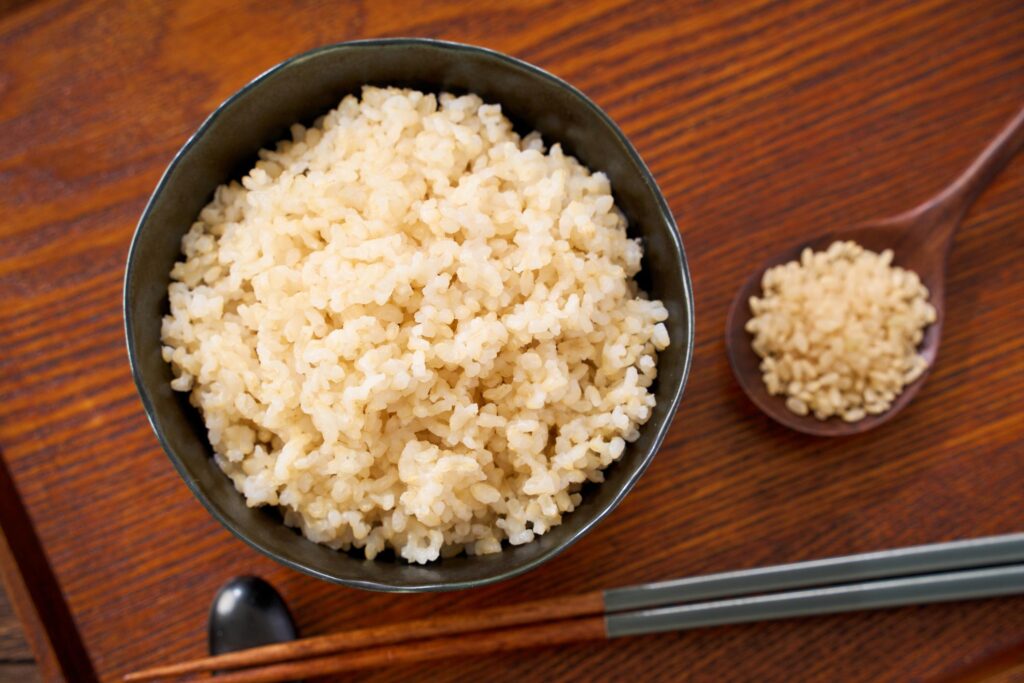
Introduction In Japan, white rice is most common, but genmai, or brown rice, has long been eaten for its natural texture and nutrients. Genmai is not considered a health trend food. Instead, it is chosen intentionally by people who want a slower, more mindful style of eating that supports digestion and overall balance. What Is