Introduction
In Japan, white rice is most common, but genmai, or brown rice, has long been eaten for its natural texture and nutrients.
Genmai is not considered a health trend food. Instead, it is chosen intentionally by people who want a slower, more mindful style of eating that supports digestion and overall balance.
What Is Genmai?
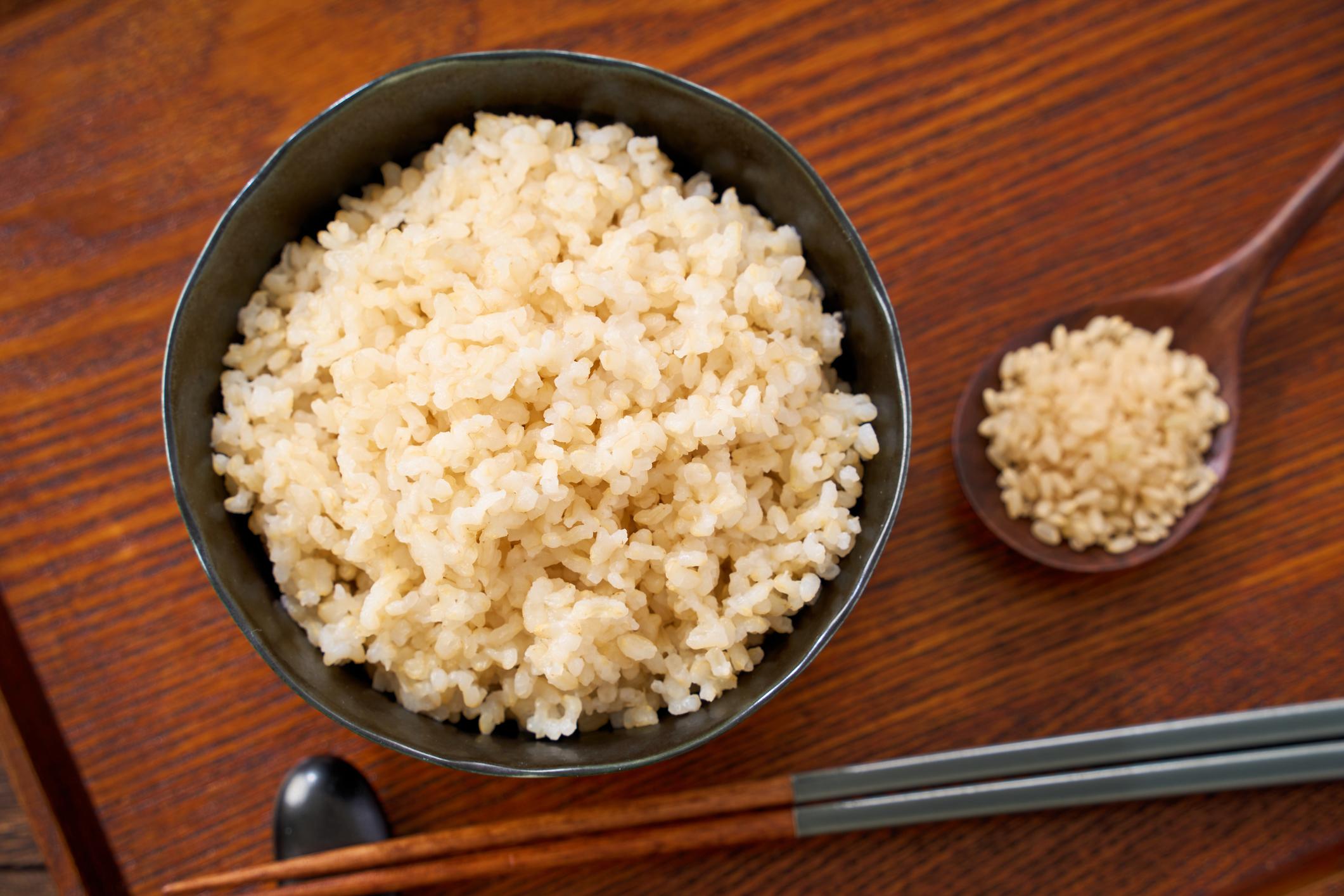
Genmai is Japanese brown rice that retains its outer bran layer.
Unlike white rice, which is polished to remove the bran, genmai keeps this outer layer intact. This gives it a firmer texture and a slightly nutty flavor.
Because of this structure, genmai takes longer to cook and requires more chewing, which affects how it is digested.
Why Genmai Supports Digestion
Genmai supports digestion through its structure and fiber content.
The outer bran layer:
- Encourages slower eating through more chewing
- Supports regular digestion when eaten in moderation
- Provides gentle stimulation to the digestive system
- Helps create a feeling of fullness without heaviness
Genmai is not meant to be eaten in large portions. When prepared properly and eaten slowly, it can support digestive balance as part of a simple meal.

Free Guide:
5 Japanese Foods for a Healthier Gut
A simple, illustrated starter guide to miso, natto, and more — download free.
How Japanese People Traditionally Eat Genmai
In Japan, genmai is eaten differently from white rice.
It is traditionally eaten:
- In smaller portions than white rice
- Often mixed with white rice (genmai-mai)
- As part of simple meals with vegetables and soup
- By people who prefer a slower, more mindful eating style
Genmai is valued for balance and intention rather than for daily convenience.
How to Prepare or Use Genmai at Home
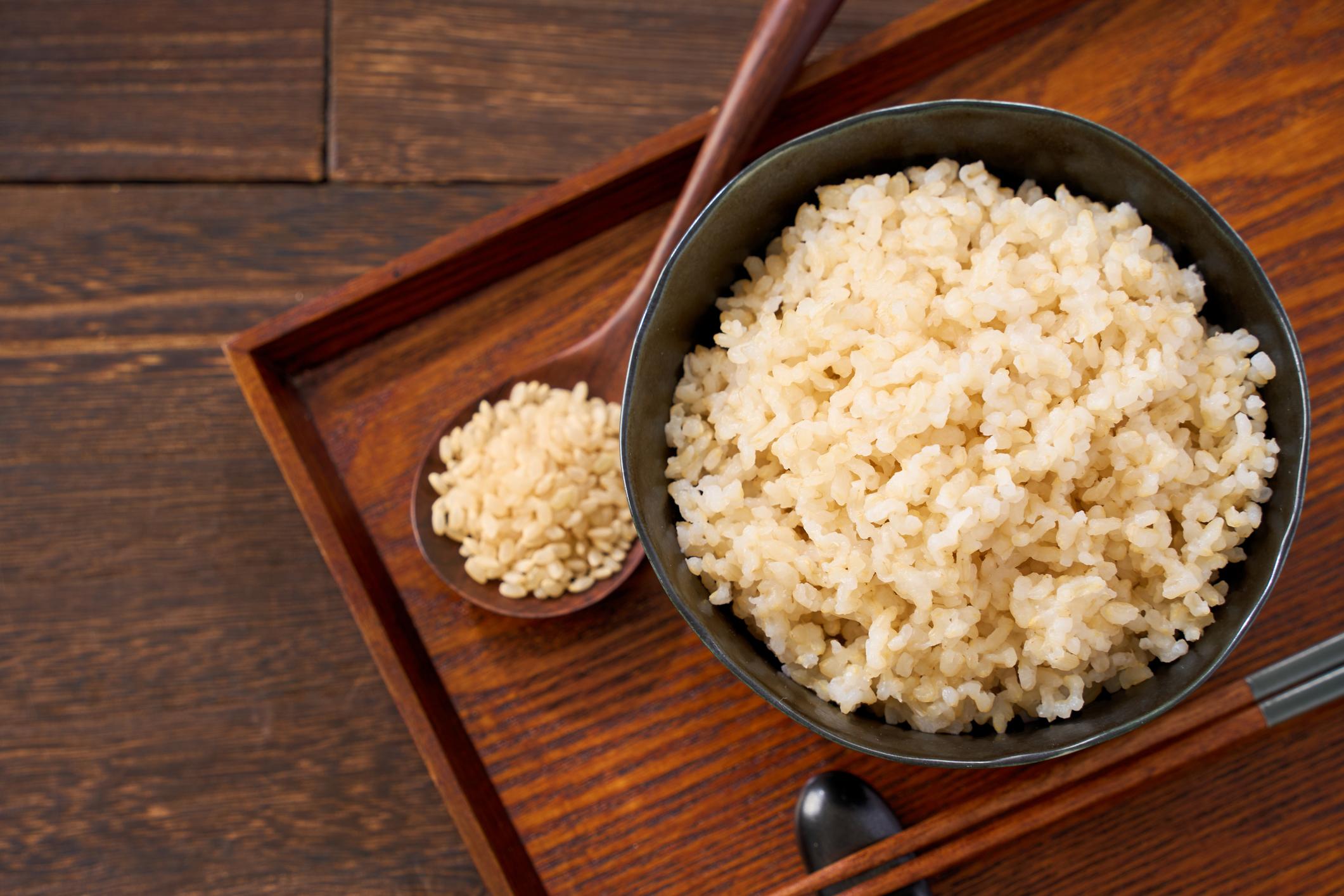
Today, genmai can be prepared at home with a little extra care compared to white rice.
Ingredients
- Japanese brown rice (genmai)
- Water
Steps
- Rinse the genmai gently to remove dust.
- Soak the rice in water for several hours or overnight.
- Drain and add fresh water for cooking.
- Cook slowly using a rice cooker or pot with more water than white rice.
- Let the rice rest before serving to soften the texture.
Proper preparation helps make genmai easier to digest.
Conclusion
Genmai offers a different approach to digestion compared to white rice.
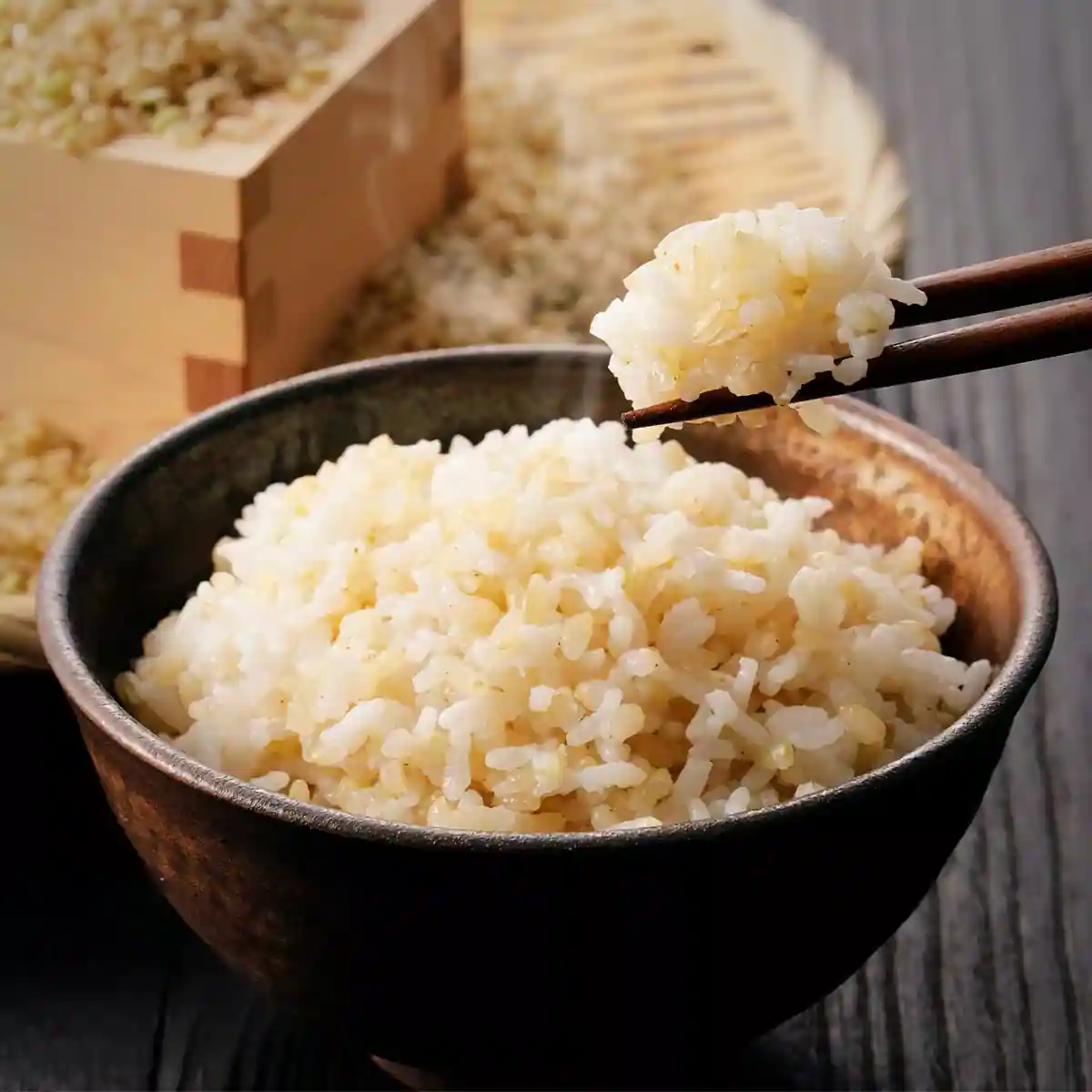
By requiring more chewing and slower eating, genmai encourages mindfulness and digestive awareness. When prepared carefully and eaten in moderation, it can support digestive balance without strain.
In Japanese food culture, genmai represents a thoughtful choice—one that values patience, simplicity, and steady habits over speed or convenience.
Free Guide:
5 Japanese Foods for a Healthier Gut
A simple, illustrated starter guide to miso, natto, and more — download free.