Introduction
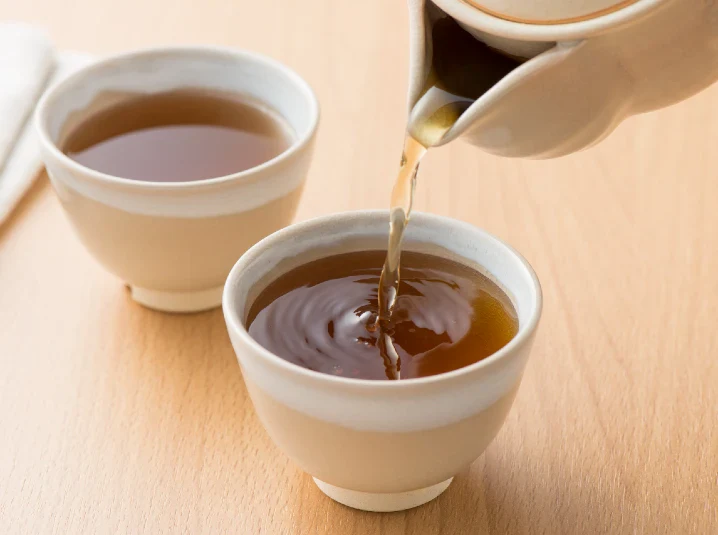
In Japan, tea is part of daily life, but not all tea is the same. Among them, hojicha is known for its mild flavor and calming nature.
Hojicha is often chosen after meals or in the evening. Its gentle taste and low caffeine make it a comfortable drink that supports digestion without stimulation.
What Is Hojicha?
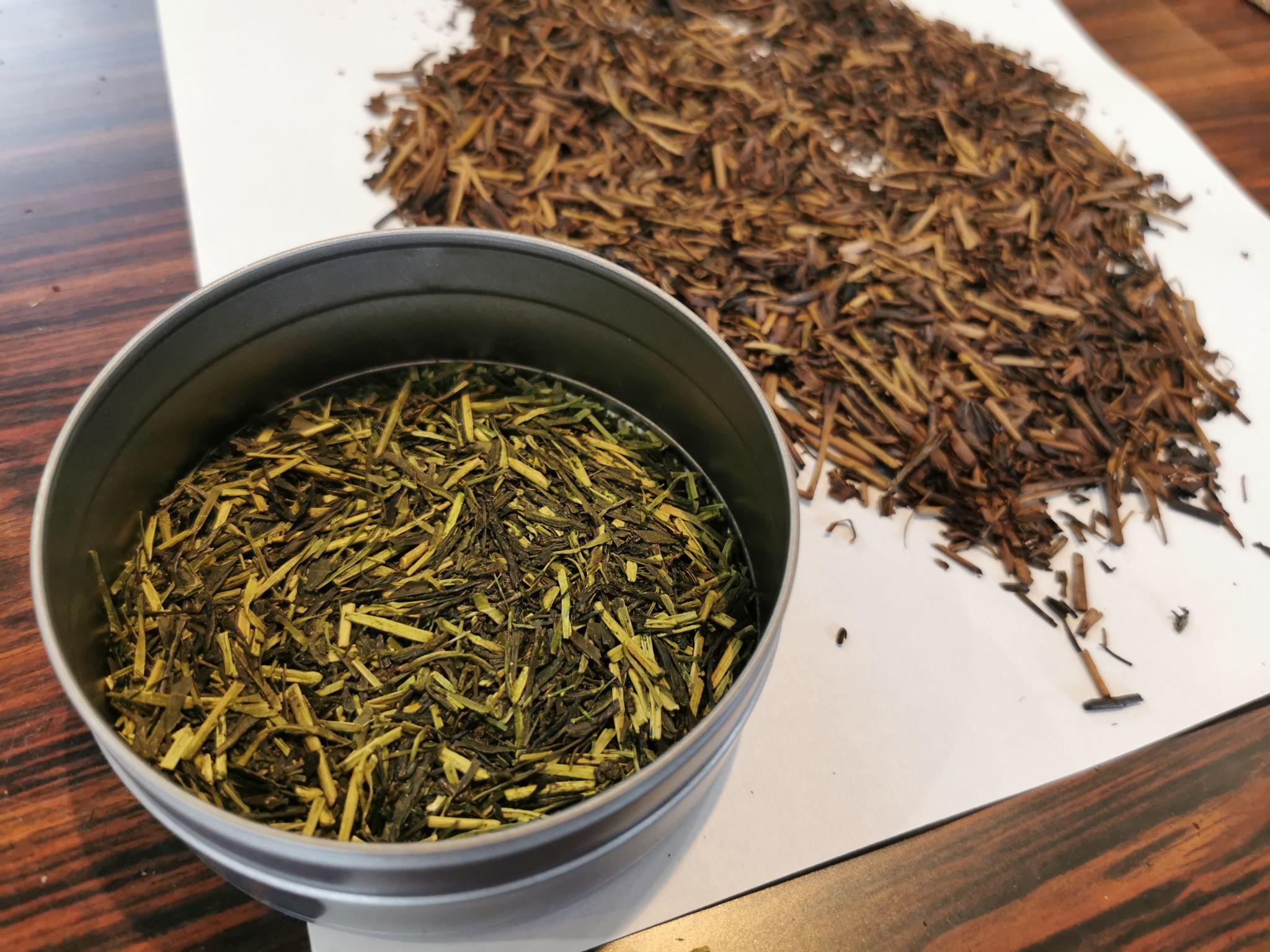
Hojicha is a Japanese green tea that has been roasted at high temperature.
Unlike other green teas, hojicha is made by roasting tea leaves or stems. This roasting process changes the color to brown and creates a warm, nutty aroma.
Because of roasting, hojicha contains much less caffeine than most green teas.
Why Hojicha Supports Digestion
Hojicha supports digestion by being gentle and calming.
Its characteristics include:
- Low caffeine, reducing stress on the digestive system
- Warm temperature, which can help the stomach relax
- Mild flavor that does not刺激 appetite aggressively
- Easy to drink after meals
Hojicha does not directly change digestion. Instead, it creates a calm environment that allows digestion to proceed smoothly.

Free Guide:
5 Japanese Foods for a Healthier Gut
A simple, illustrated starter guide to miso, natto, and more — download free.
How Japanese People Traditionally Drink Hojicha
In Japan, hojicha is commonly drunk as an everyday tea.
It is traditionally drunk:
- After meals
- In the evening or before bed
- With simple meals
- By children and older people
Hojicha is valued for comfort rather than stimulation, making it a familiar choice across generations.
How to Prepare or Use Hojicha at Home
Today, hojicha can be easily prepared at home using loose leaves or tea bags.
Ingredients
- Hojicha tea leaves or tea bags
- Hot water
Steps
- Heat water until hot but not boiling.
- Place hojicha leaves or a tea bag in a teapot or cup.
- Pour hot water over the tea.
- Steep briefly and remove leaves or bag.
- Drink warm, especially after meals.
Hojicha can also be enjoyed cold, but warm hojicha is more commonly used for digestion.
Conclusion
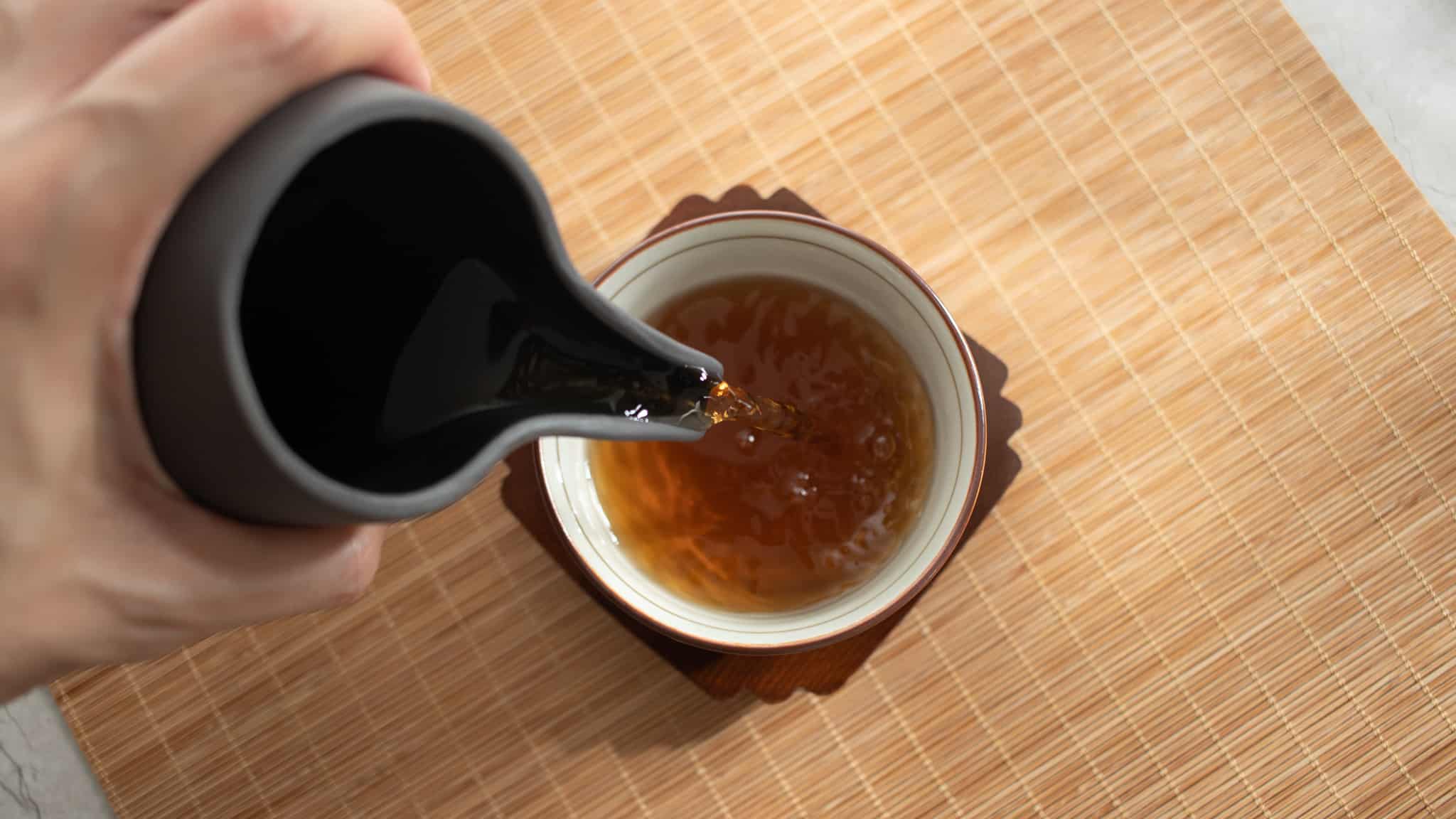
Hojicha is a gentle Japanese tea that supports digestion through calmness rather than stimulation.
By offering warmth, low caffeine, and a mild roasted flavor, hojicha fits naturally into daily routines. It is not a functional drink meant to create strong effects, but a quiet companion to meals.
In Japanese food culture, hojicha represents balance—choosing comfort and simplicity to support digestion over time.
Free Guide:
5 Japanese Foods for a Healthier Gut
A simple, illustrated starter guide to miso, natto, and more — download free.