Introduction
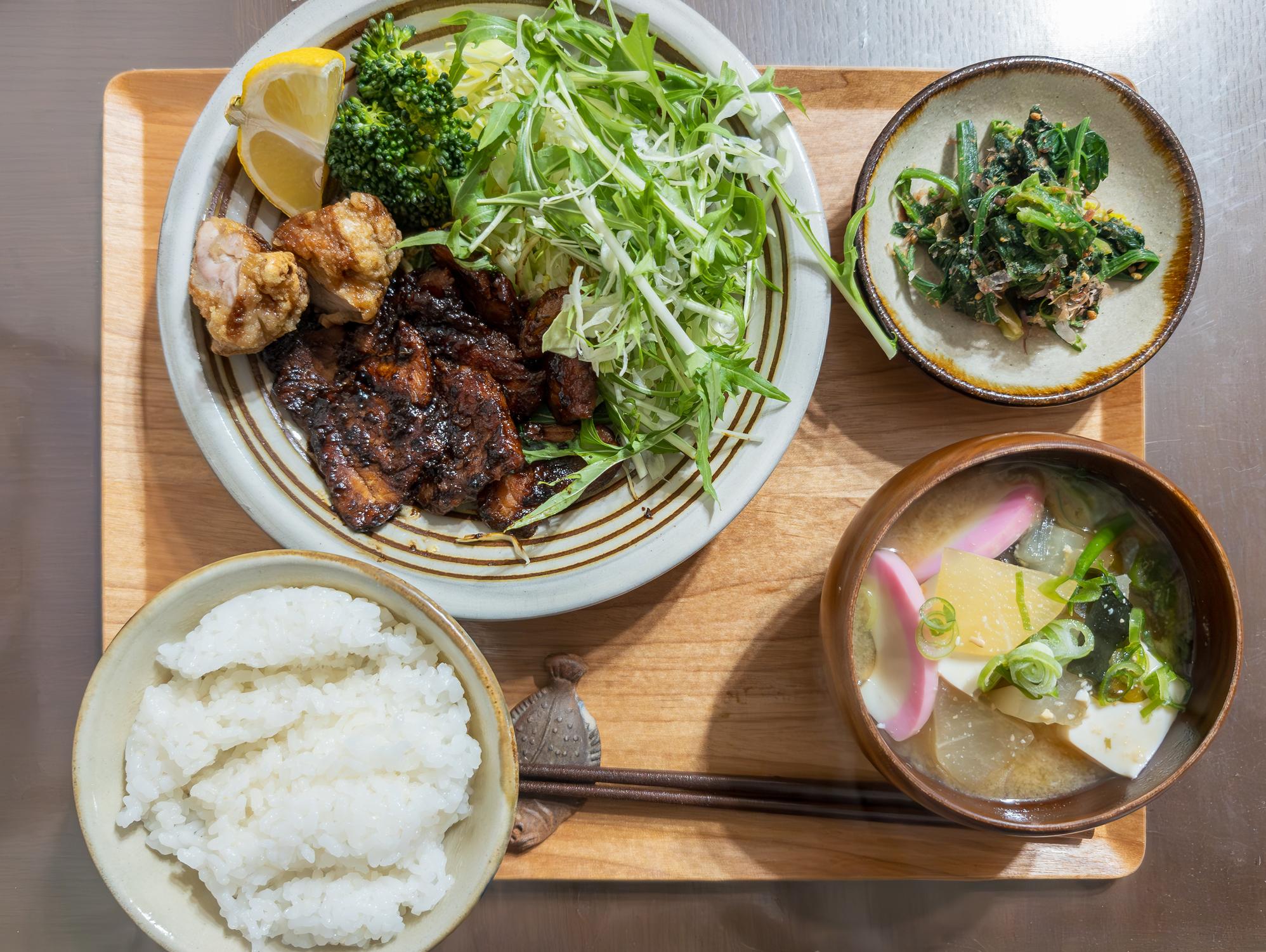
Japanese meals are not built around one main dish. Instead, they follow a simple structure designed to support balance and digestion. This structure is called ichiju-sansai.
Ichiju-sansai means “one soup and three dishes.” Rather than focusing on calories or nutrients, it focuses on variety, moderation, and ease of digestion. This approach has supported daily health in Japan for generations.
What Is Ichiju-Sansai?
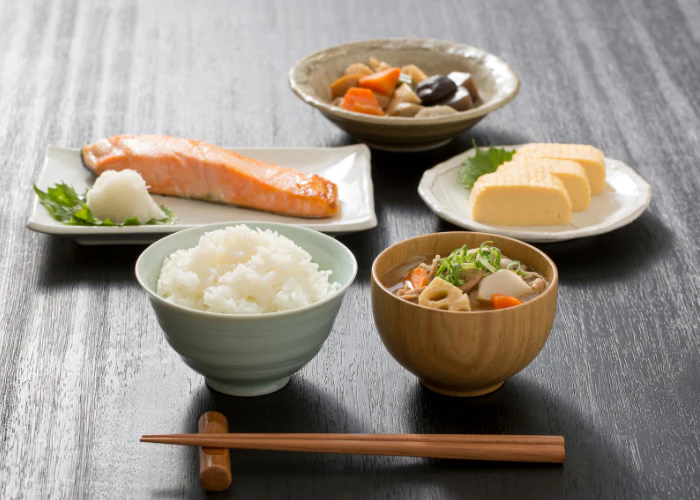
Ichiju-sansai is a traditional Japanese meal structure consisting of:
- One soup
- Three small side dishes
- Rice as the base
The three dishes usually include a mix of vegetables, protein, and fermented foods. Portions are small, and no single dish dominates the meal.
Ichiju-sansai is not a strict rule. It is a flexible framework that helps create balanced meals without complexity.
Why Ichiju-Sansai Supports Digestion
Ichiju-sansai supports digestion by reducing strain on the digestive system.
This meal structure:
- Spreads different foods across small portions
- Avoids heavy or excessive single dishes
- Encourages slower, more mindful eating
- Combines fermented foods with simple staples
By balancing textures, flavors, and preparation methods, the digestive system can process food more smoothly. No single ingredient overwhelms the gut.
Ichiju-sansai works not because of individual foods, but because of how they are combined.

Free Guide:
5 Japanese Foods for a Healthier Gut
A simple, illustrated starter guide to miso, natto, and more — download free.
How Japanese People Traditionally Eat Ichiju-Sansai
In Japan, ichiju-sansai is not limited to special occasions.
It is traditionally eaten:
- At home rather than restaurants
- With seasonal ingredients
- Using simple cooking methods
- With small, intentional portions
Meals are designed to feel complete but not heavy. This approach allows people to eat consistently throughout the day without digestive stress.
How to Prepare or Use Ichiju-Sansai at Home
Today, ichiju-sansai can be applied at home without strict rules or special ingredients.
Ingredients
- Rice
- Soup (such as miso soup or clear broth)
- Simple side dishes (vegetables, tofu, fish, fermented foods)
Steps
- Prepare a bowl of rice as the base of the meal.
- Add one soup, such as miso soup or kombu-based broth.
- Choose three small side dishes with different ingredients.
- Keep portions modest and flavors gentle.
- Eat slowly and focus on balance rather than fullness.
This structure can be adapted to any meal of the day.
Conclusion
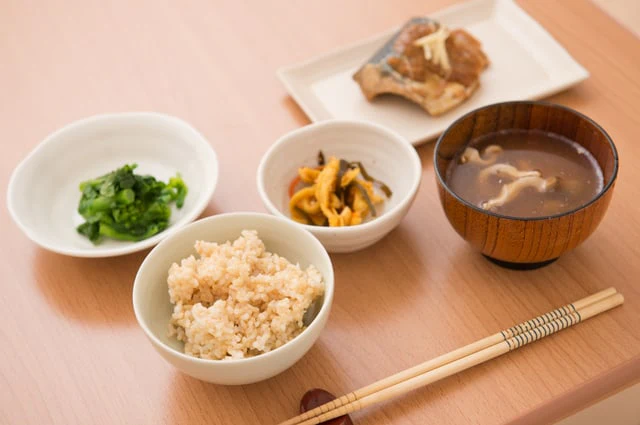
Ichiju-sansai is not a diet or a set of rules. It is a way of thinking about meals.
By combining small portions, variety, and fermented foods, ichiju-sansai supports digestion through balance rather than restriction. Its strength lies in repetition and simplicity, not in quick results.
This traditional Japanese meal structure shows how everyday habits—quiet, consistent, and thoughtful—can support gut health over time.
Free Guide:
5 Japanese Foods for a Healthier Gut
A simple, illustrated starter guide to miso, natto, and more — download free.