Introduction
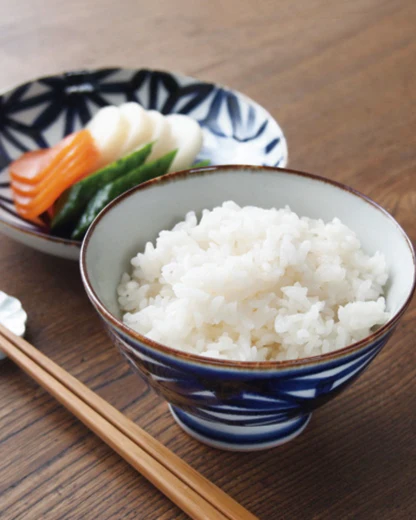
In Japan, rice is more than just a staple food. It is the foundation of daily meals and plays an important role in supporting digestion.
Japanese rice is eaten plain, without heavy seasoning, and in balanced portions. This simplicity helps make meals easier to digest and supports gut health over time.
What Is Japanese Rice?
Japanese rice is a short-grain rice known for its soft texture and slight stickiness when cooked.
Unlike long-grain rice, Japanese rice absorbs water well and becomes tender. This texture makes it easier to chew and digest, especially when eaten regularly as part of simple meals.
Rice has been the core of Japanese food culture for centuries and is closely connected to other gut-friendly foods like miso soup and pickles.
Why Japanese Rice Supports Digestion
Japanese rice supports digestion through simplicity and preparation.
When properly cooked:
- The rice becomes soft and easy to break down
- The stomach requires less effort to digest it
- It provides steady energy without heaviness
- It pairs well with fermented side dishes
Because it is usually eaten plain, Japanese rice does not overload the digestive system with fats or strong flavors. This makes it suitable for daily consumption and recovery meals.

Free Guide:
5 Japanese Foods for a Healthier Gut
A simple, illustrated starter guide to miso, natto, and more — download free.
How Japanese People Traditionally Eat Japanese Rice
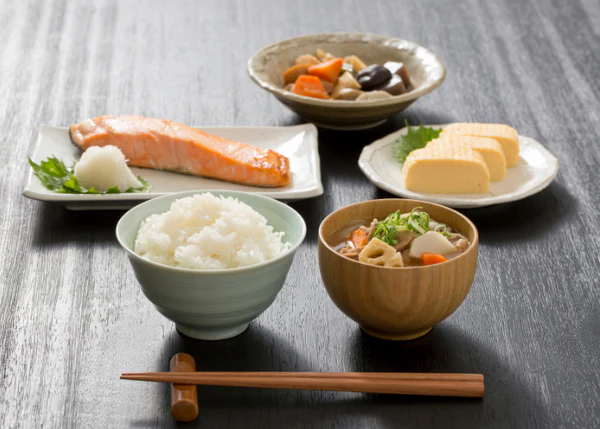
In Japan, rice is eaten as part of a balanced meal rather than on its own.
It is traditionally eaten:
- With miso soup
- Alongside small side dishes (okazu)
- With fermented foods such as tsukemono or natto
- In moderate portions at each meal
Rice is not treated as a main attraction but as a base that supports the rest of the meal and digestion.
How to Prepare or Use Japanese Rice at Home
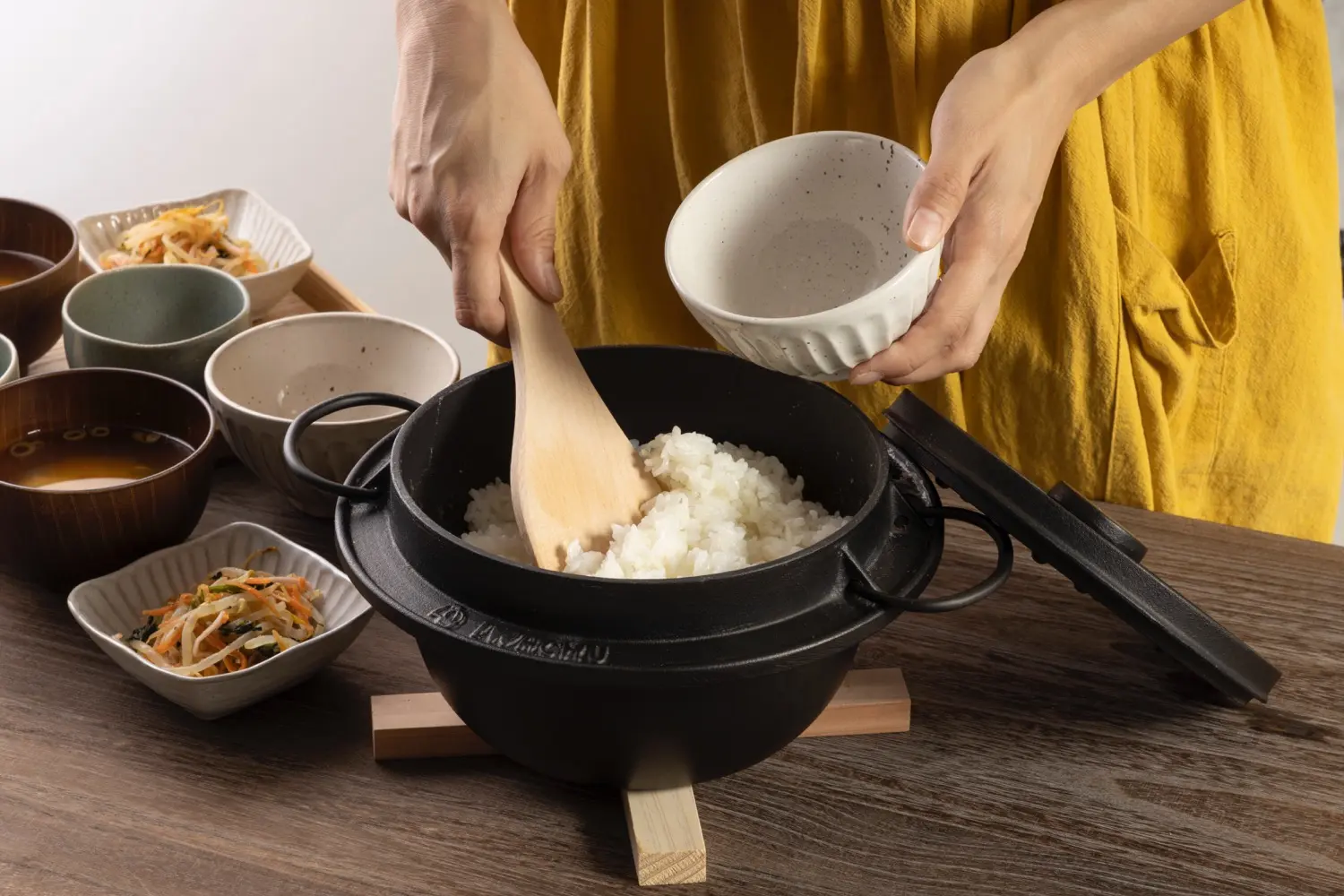
Today, Japanese rice can be easily prepared at home using simple tools.
Ingredients
- Japanese short-grain rice
- Water
Steps
- Measure the rice and place it in a bowl.
- Rinse gently with water to remove excess starch.
- Drain and repeat rinsing until the water is mostly clear.
- Add fresh water and let the rice rest briefly.
- Cook using a rice cooker or pot until fully steamed.
- Let the rice rest before serving.
Conclusion
Japanese rice supports digestion by providing a calm and simple foundation for daily meals.
Rather than relying on strong flavors or complex preparation, Japanese rice focuses on balance and ease of digestion. Its soft texture and plain taste allow the digestive system to work steadily without stress.
As part of a traditional Japanese meal, rice shows how simple, consistent food choices can quietly support gut health over time.
Free Guide:
5 Japanese Foods for a Healthier Gut
A simple, illustrated starter guide to miso, natto, and more — download free.