Introduction
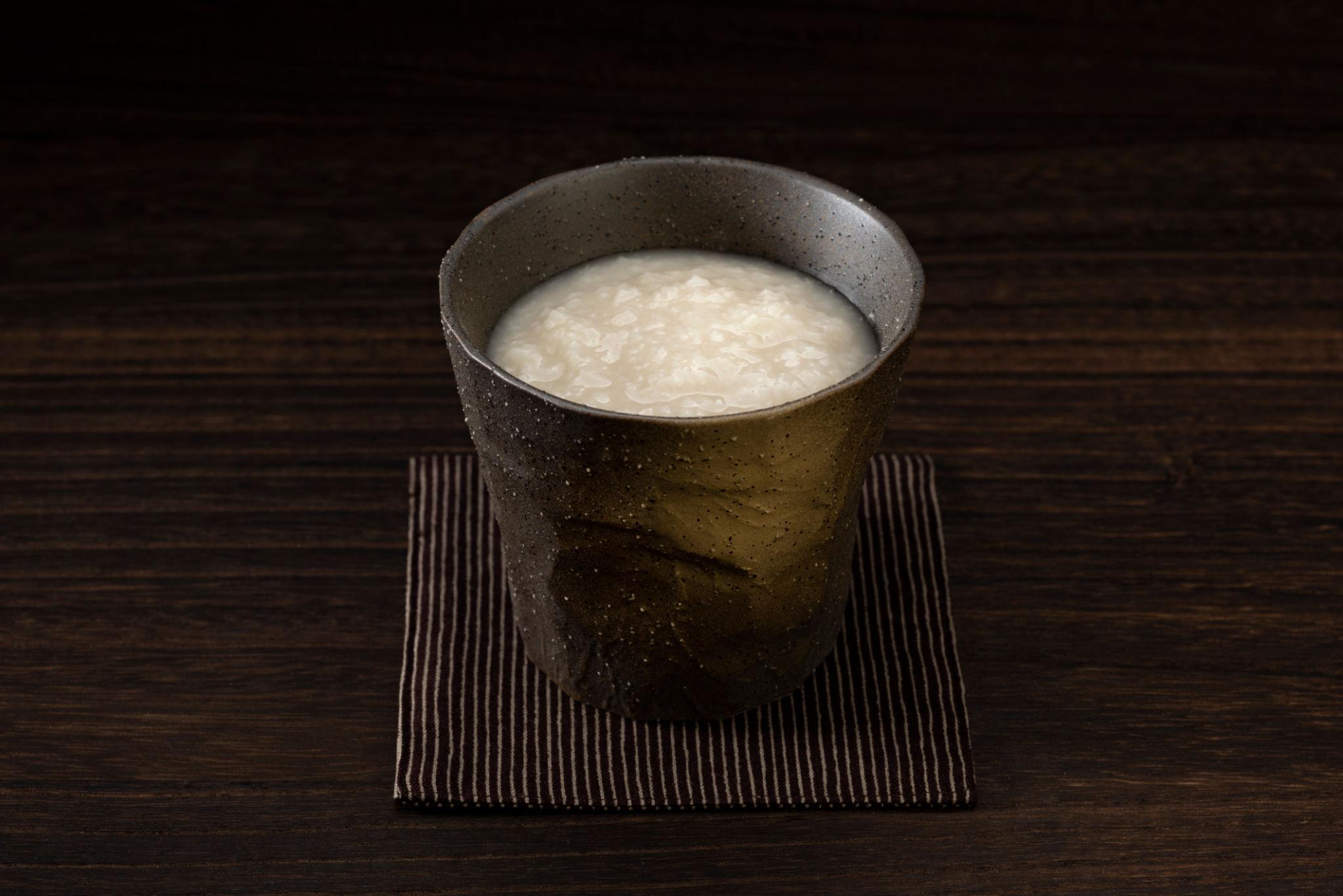
Many Japanese foods known for being gentle on digestion—such as miso, soy sauce, and amazake—are made using one essential ingredient: koji rice.
Koji rice is not usually eaten on its own, but it plays a central role in Japanese fermentation. By transforming ingredients before they are eaten, it helps create foods that are easier to digest and more supportive of gut health.
What Is Koji Rice?
During fermentation, this mold grows on the rice and produces natural enzymes. These enzymes break down complex components of food into simpler forms that the body can process more easily.
Koji rice is the foundation of many traditional Japanese fermented foods and has been used for over a thousand years.
Why Koji Rice Supports Gut Health
Koji rice supports gut health through the enzymes it produces during fermentation.
These enzymes help:
- Break down starches into natural sugars
- Convert proteins into amino acids
- Make nutrients easier to absorb
Because food is partially broken down before it is eaten, the digestive system does not need to work as hard. This gentle process reduces digestive stress and supports steady digestion over time.
Koji does not act as a stimulant or quick fix. Instead, it improves digestion by changing the structure of food itself.

Free Guide:
5 Japanese Foods for a Healthier Gut
A simple, illustrated starter guide to miso, natto, and more — download free.
How Japanese People Traditionally Use Koji Rice
In Japan, koji rice is rarely eaten directly. Instead, it is used to create fermented foods that are part of daily meals.
Koji is traditionally used to make:
- Miso
- Soy sauce
- Amazake
- Sake
These foods are eaten in small amounts but on a regular basis. The focus is not on strong effects, but on consistency and balance.
This long-standing use of koji reflects the Japanese approach to health: improving digestion through everyday foods rather than special treatments.
How to Prepare or Use Koji Rice at Home
Today, koji rice can be used at home in simple ways. It is often used to create fermented foods or to add natural sweetness and umami to everyday cooking.
Common uses include:
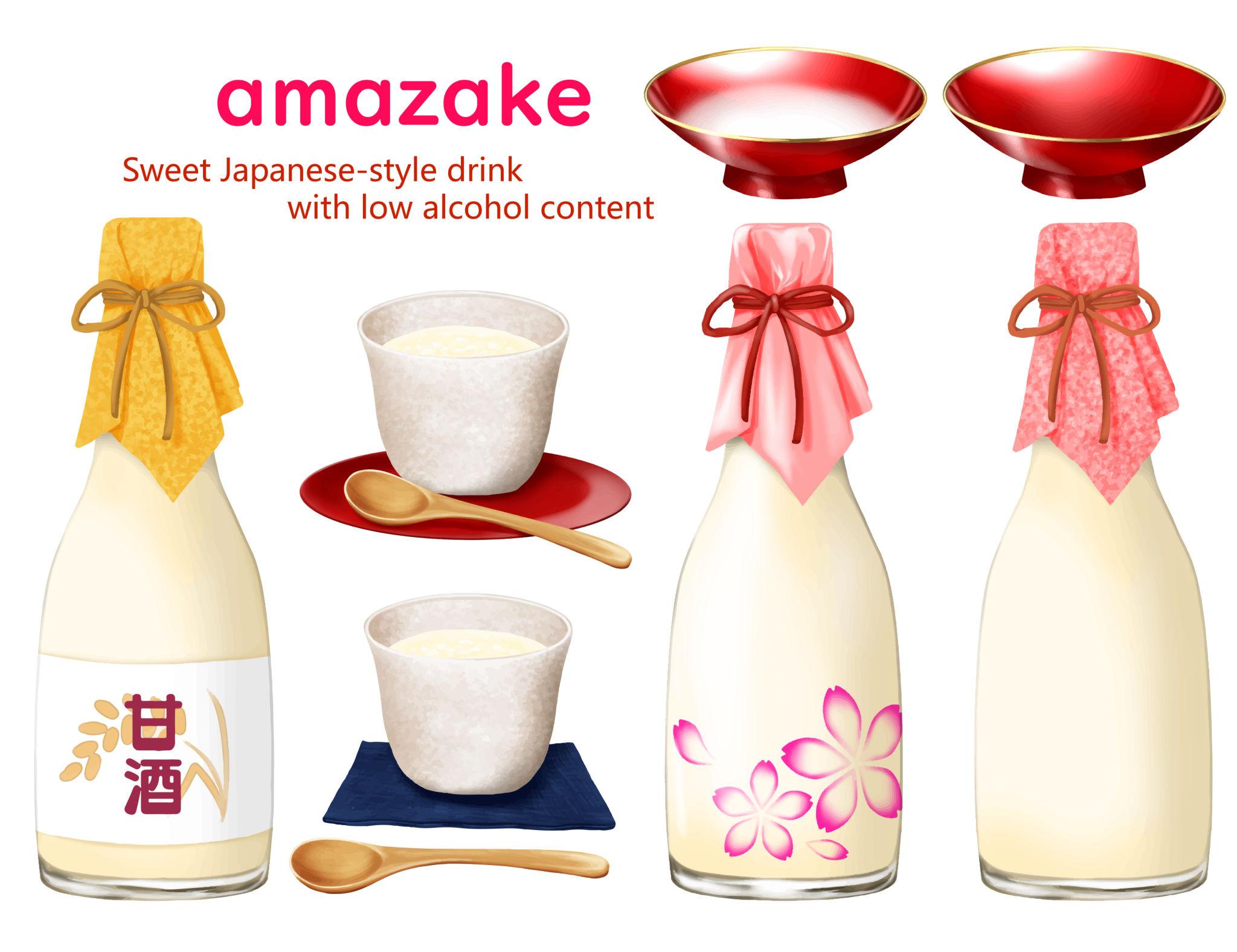
- Making amazake as a fermented rice drink
- Preparing homemade miso or miso-style pastes
- Using koji as a marinade for vegetables, fish, or meat
- Adding natural sweetness and umami without sugar
Koji rice is available dried or fresh at Japanese or Asian grocery stores. Once prepared, it can be used in beginner-friendly fermentation recipes without special equipment.
Ingredients
- Koji rice (dried or fresh)
- Cooked rice (optional, for making amazake or miso-style preparations)
- Clean water
- A clean container
Basic Steps
- If using dried koji rice, lightly break it apart and prepare it according to the package instructions.
- Combine koji rice with cooked rice or other ingredients depending on your purpose (for example, amazake or marinades).
- Add clean water to create a moist environment for enzyme activity.
- Keep the mixture warm, around body temperature, and allow it to work slowly.
- Stir occasionally and avoid high heat, which can reduce enzyme activity.
- Once ready, use the koji mixture in recipes or store it in the refrigerator.
Conclusion
Koji rice is the hidden foundation of Japanese fermentation and a key reason why many traditional foods are gentle on digestion.
By using natural enzymes to transform ingredients before they are eaten, koji supports gut health in a calm and steady way. This allows the digestive system to work more efficiently without stress.
Rather than focusing on quick results, koji rice shows how digestion can be supported through simple, consistent food practices. This quiet role is why it has remained central to Japanese food culture for generations.
Free Guide:
5 Japanese Foods for a Healthier Gut
A simple, illustrated starter guide to miso, natto, and more — download free.