Introduction
Soy sauce is used around the world, but in Japan it has a deeper cultural role. Japanese soy sauce, called shoyu, has long been part of daily meals and traditional fermentation practices.
Used in small amounts, shoyu adds flavor while helping meals stay simple and balanced. This gentle use is why shoyu continues to be a familiar part of Japanese home cooking.
What Is Shoyu?
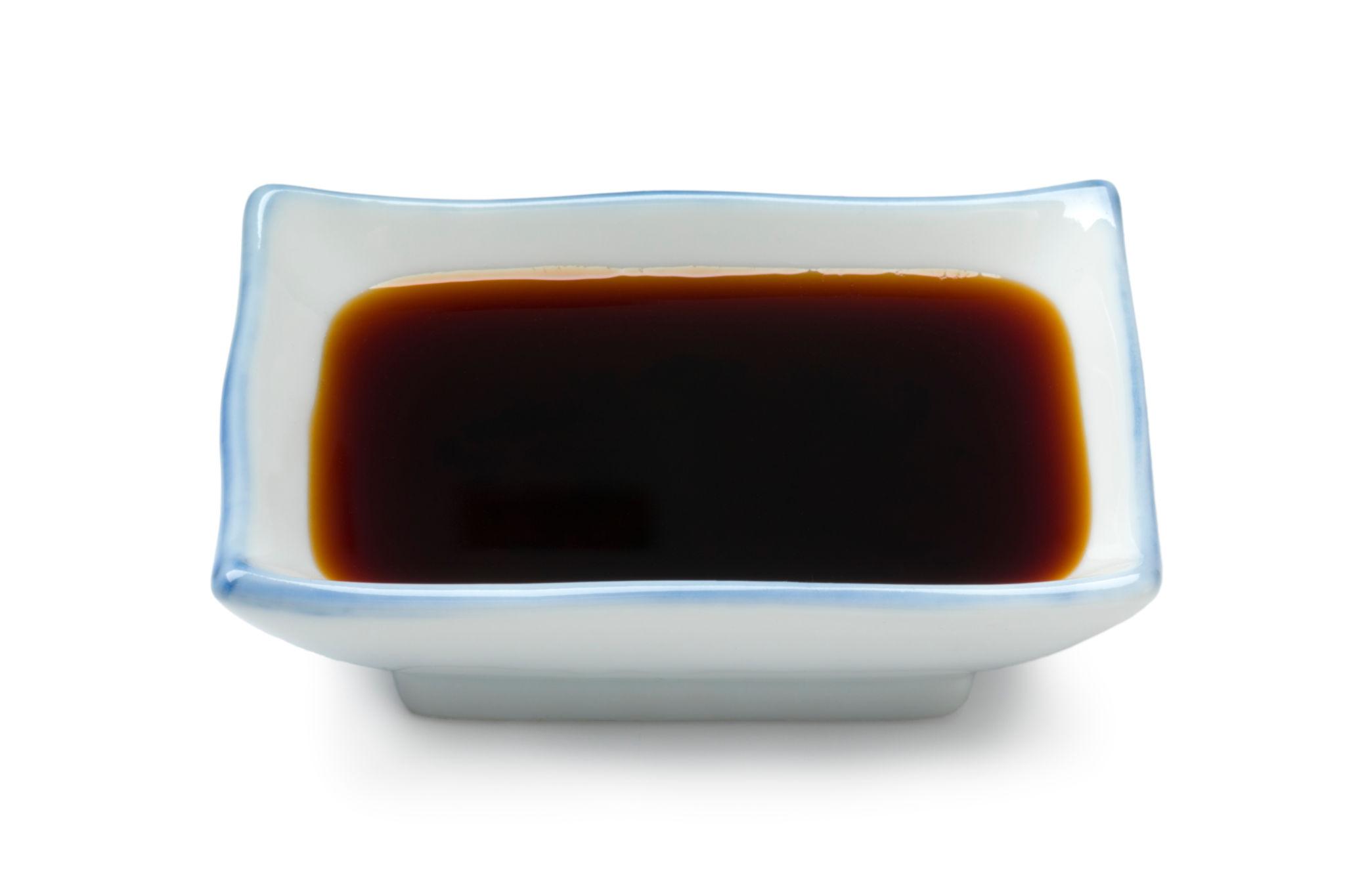
Shoyu is a traditional Japanese soy sauce made from soybeans, wheat, salt, and water, fermented with koji.
Through fermentation, the ingredients develop a balanced flavor that includes saltiness, umami, and mild sweetness. Shoyu is thinner and lighter than tamari, making it suitable for everyday use.
There are several types of shoyu in Japan, but all share the same fermented foundation.
Why Shoyu Supports Digestion
Shoyu supports digestion through fermentation and moderation.
During fermentation:
- Proteins are broken down into amino acids
- Flavors develop naturally without heavy additives
- Small amounts enhance meals without overwhelming digestion
Because shoyu is typically used sparingly, it helps season food while keeping meals light. Its fermented nature allows it to fit naturally into gut-friendly eating habits.
Shoyu is not consumed for its health effects alone. Its benefit comes from how it supports balanced meals over time.

Free Guide:
5 Japanese Foods for a Healthier Gut
A simple, illustrated starter guide to miso, natto, and more — download free.
How Japanese People Traditionally Use Shoyu
In Japan, shoyu is used as a supporting seasoning, not the main focus of a dish.
It is traditionally used:
- As a light seasoning during cooking
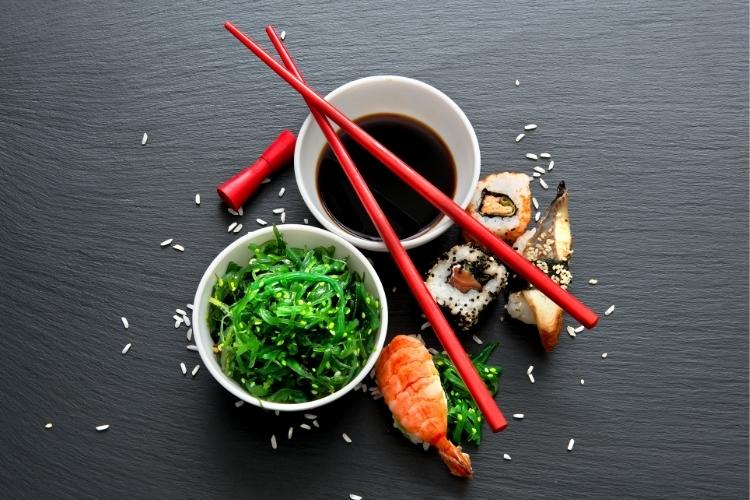
- As a dipping sauce in small amounts
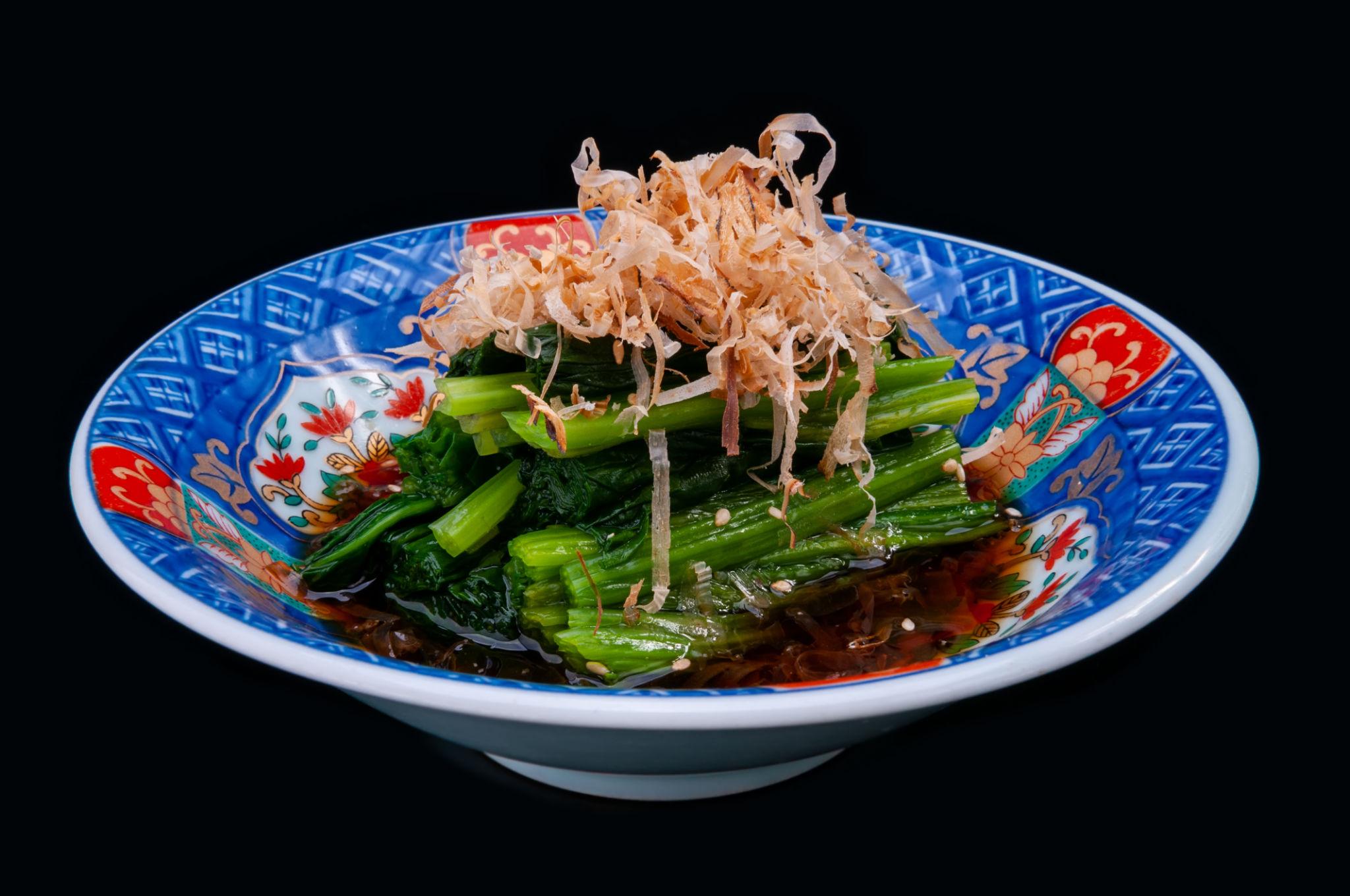
- With tofu, vegetables, and fish
- To enhance flavor without masking ingredients
Shoyu is rarely poured heavily. Its role is to quietly support taste and balance.
How to Prepare or Use Shoyu at Home
Today, shoyu can be easily used at home in simple cooking.
Ingredients
- Naturally brewed shoyu
- Simple cooked foods (rice, tofu, vegetables, fish)
Steps
- Choose a naturally fermented shoyu when possible.
- Use a small amount to season food lightly.
- Add near the end of cooking to preserve flavor.
- Pair with simple dishes rather than complex sauces.
Moderation helps maintain balance and ease of digestion.
Conclusion
Shoyu is a traditional Japanese fermented seasoning that supports digestion through simplicity and careful use.
Rather than relying on strong flavors or large quantities, shoyu enhances meals gently while respecting the digestive system. Its long history in Japanese food culture reflects a steady, balanced approach to eating.
Used mindfully, shoyu becomes part of daily meals that support gut health without effort or excess.
Free Guide:
5 Japanese Foods for a Healthier Gut
A simple, illustrated starter guide to miso, natto, and more — download free.