Introduction
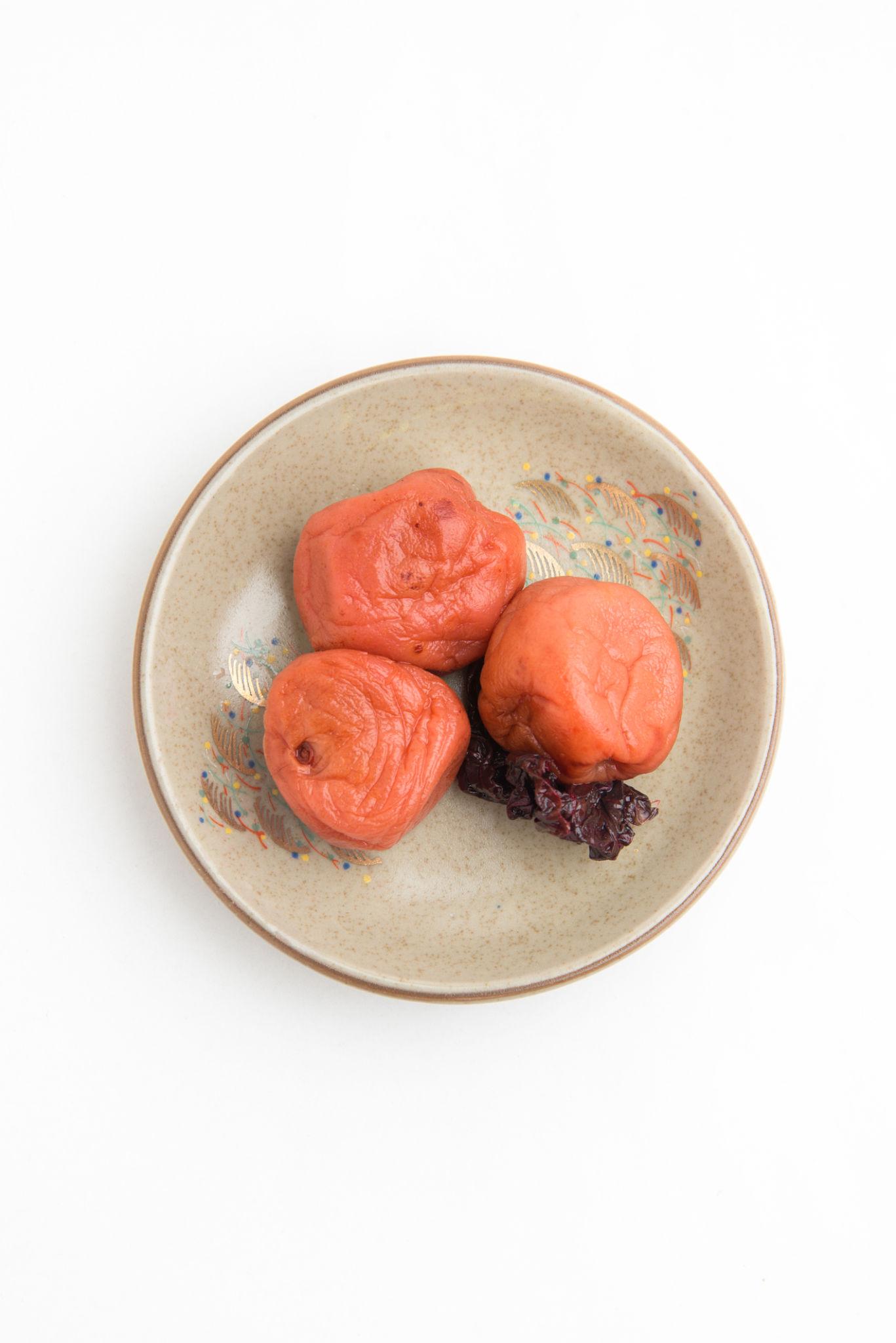
In Japanese meals, there is a small, sour food that has been eaten for generations to support digestion and overall balance. It is called umeboshi.
Umeboshi is not eaten in large amounts. Instead, a small portion is added to meals to refresh the appetite and support digestion in a gentle way.
What Is Umeboshi?
Umeboshi is a traditional Japanese pickled plum made by fermenting ume plums with salt.
During the pickling process, the plums become soft, sour, and salty. This preservation method has been used in Japan for centuries as a way to store food and support daily health.
Umeboshi has a strong flavor, so only a small amount is usually eaten at one time.
Why Umeboshi Supports Digestion
Umeboshi supports digestion mainly through its taste and fermentation process.
The sour and salty flavor:
- Stimulates saliva and digestive juices
- Helps awaken appetite before or during meals
- Supports smoother digestion of other foods
- Encourages mindful, slower eating
Because umeboshi is fermented and eaten in small portions, it gently supports the digestive system without causing irritation.

Free Guide:
5 Japanese Foods for a Healthier Gut
A simple, illustrated starter guide to miso, natto, and more — download free.
How Japanese People Traditionally Eat Umeboshi
In Japan, umeboshi is eaten as part of everyday meals rather than as a snack.
It is commonly eaten:
- With plain rice
- Inside rice balls (onigiri)
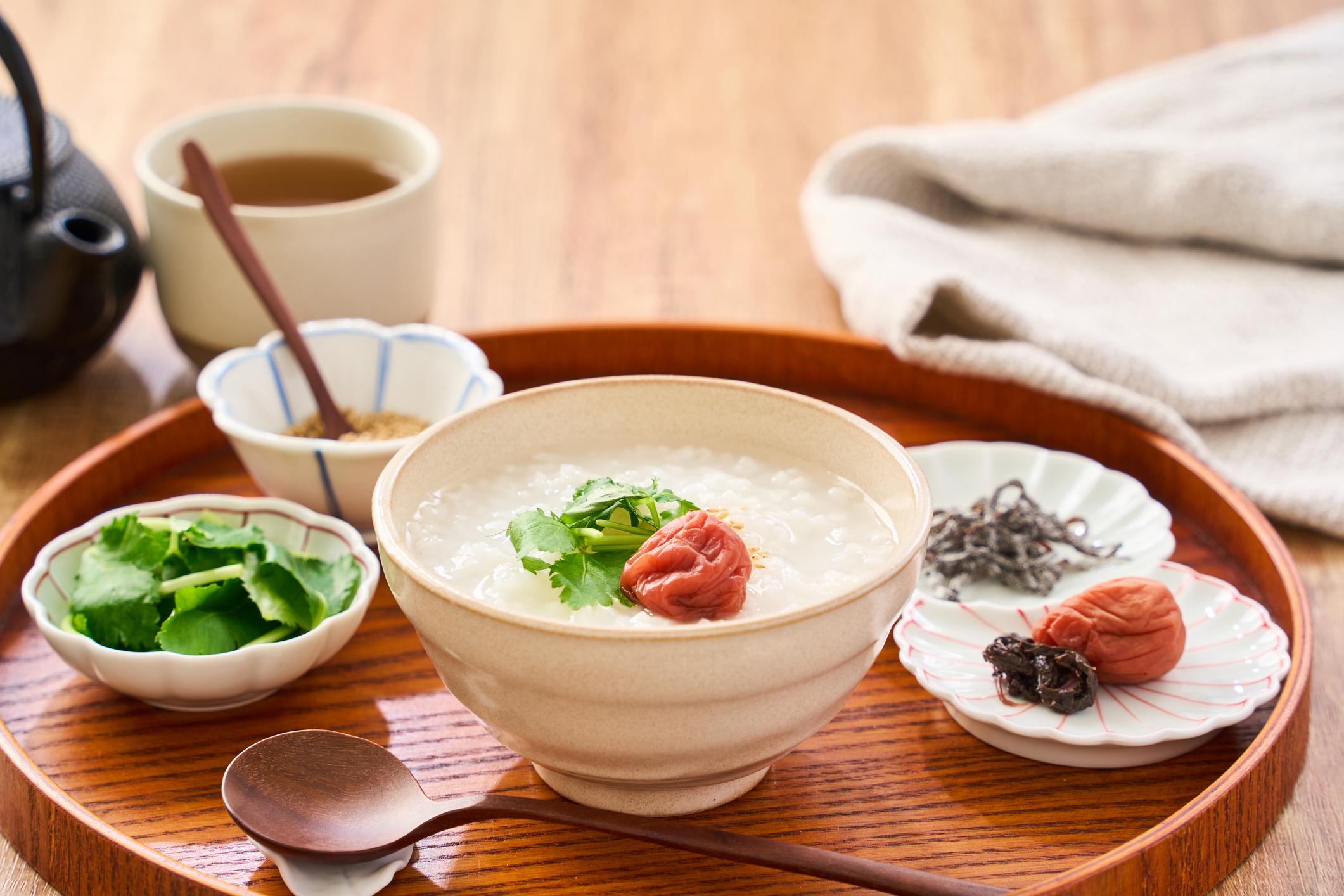
- As a topping for rice porridge (okayu)
- In very small amounts during meals
Umeboshi is valued for balance, not quantity. Its role is to support digestion and refresh the palate.
How to Prepare or Use Umeboshi at Home
Today, umeboshi can be enjoyed at home without special preparation. Ready-made umeboshi is widely available at Japanese or Asian grocery stores.
Ingredients
- Umeboshi (pickled plum)
- Cooked rice or rice porridge (optional)
Steps
- Remove the pit from the umeboshi if needed.
- Use a small amount and place it on top of rice or okayu.
- Mix gently or eat alongside other foods.
- Adjust the amount to taste, keeping portions small.
Umeboshi is strong in flavor, so a little is enough.
Conclusion
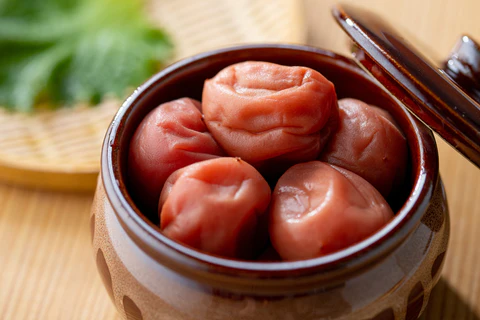
Umeboshi is a traditional Japanese food that supports digestion through simplicity and balance.
Rather than acting as a quick remedy, umeboshi works by gently stimulating appetite and digestion during meals. Its strength lies in small portions and regular use.
This quiet approach reflects the Japanese view of digestive health—supporting the body through consistent, mindful food habits instead of strong interventions.
Free Guide:
5 Japanese Foods for a Healthier Gut
A simple, illustrated starter guide to miso, natto, and more — download free.